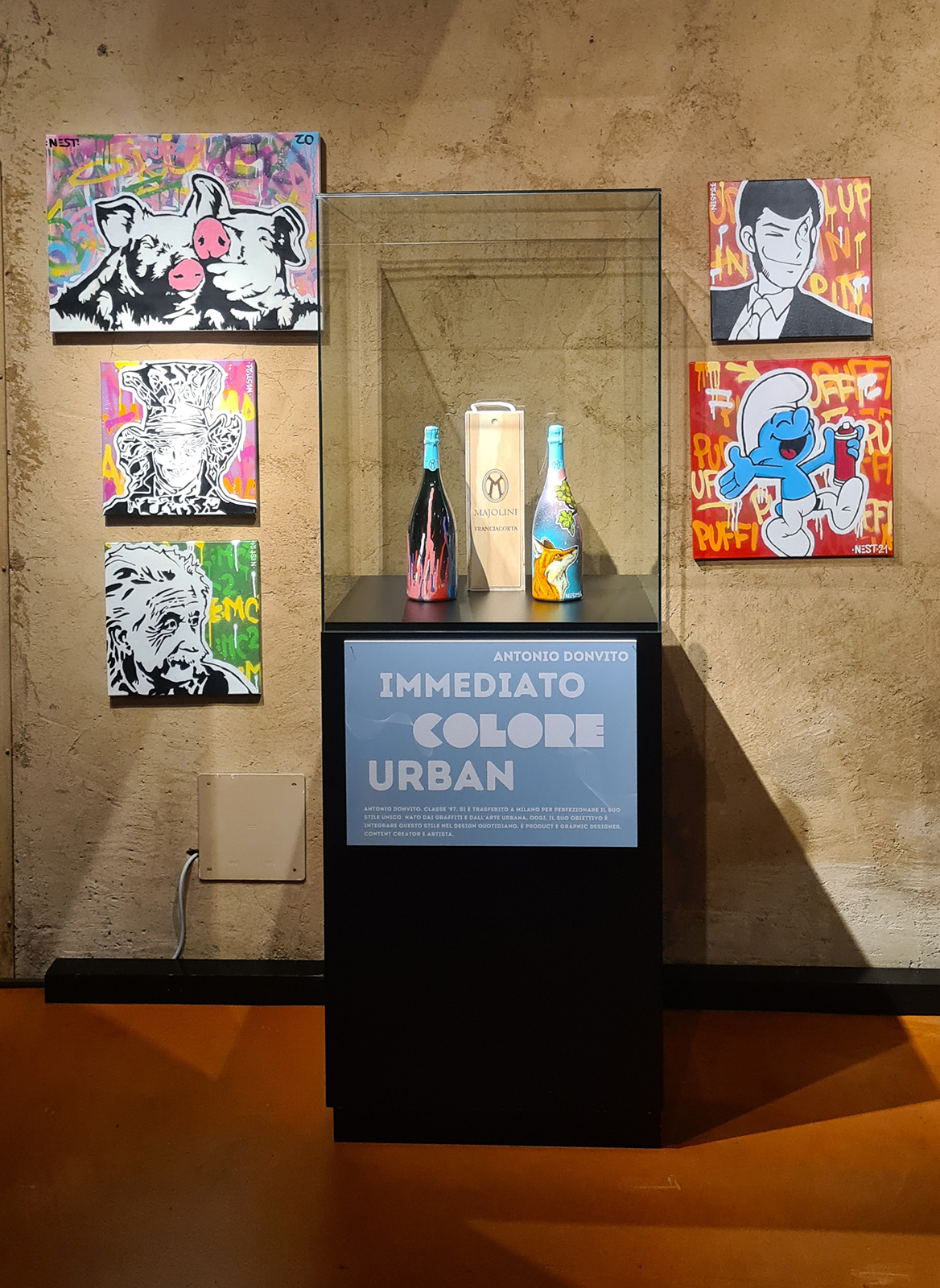
“Traces of passages, dialogues, visions”
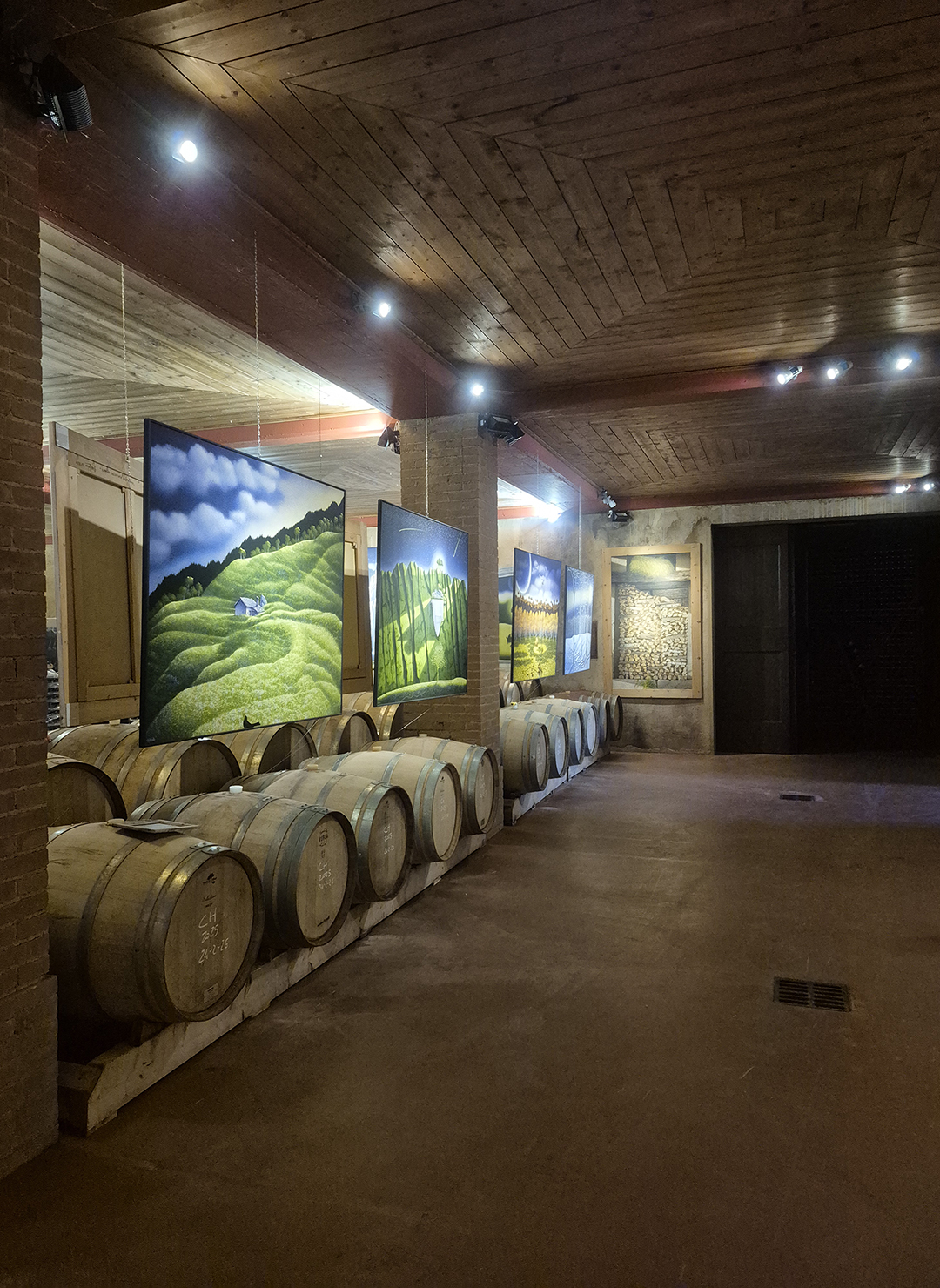
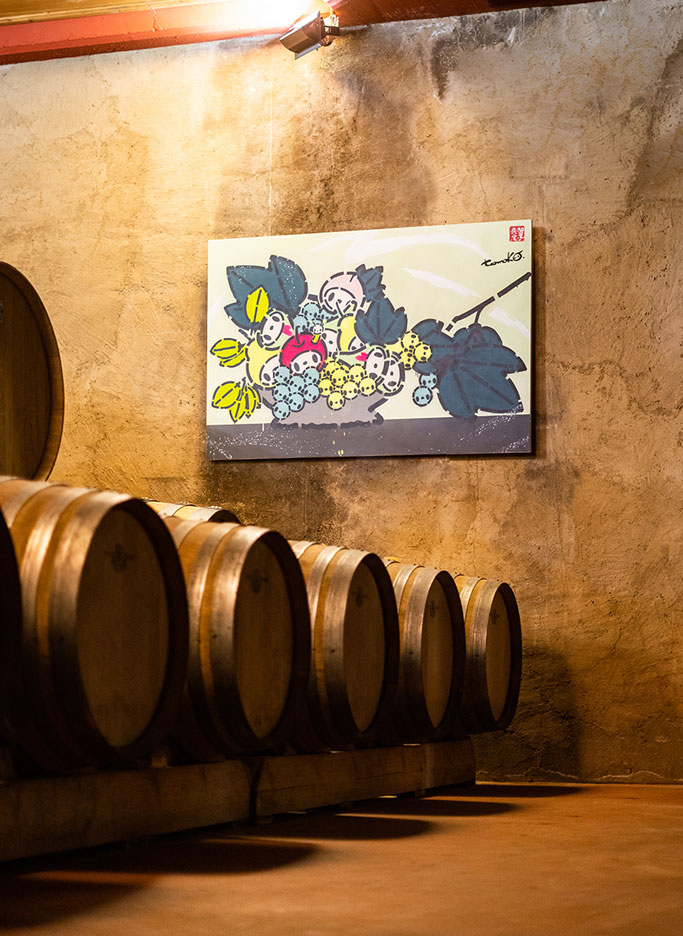
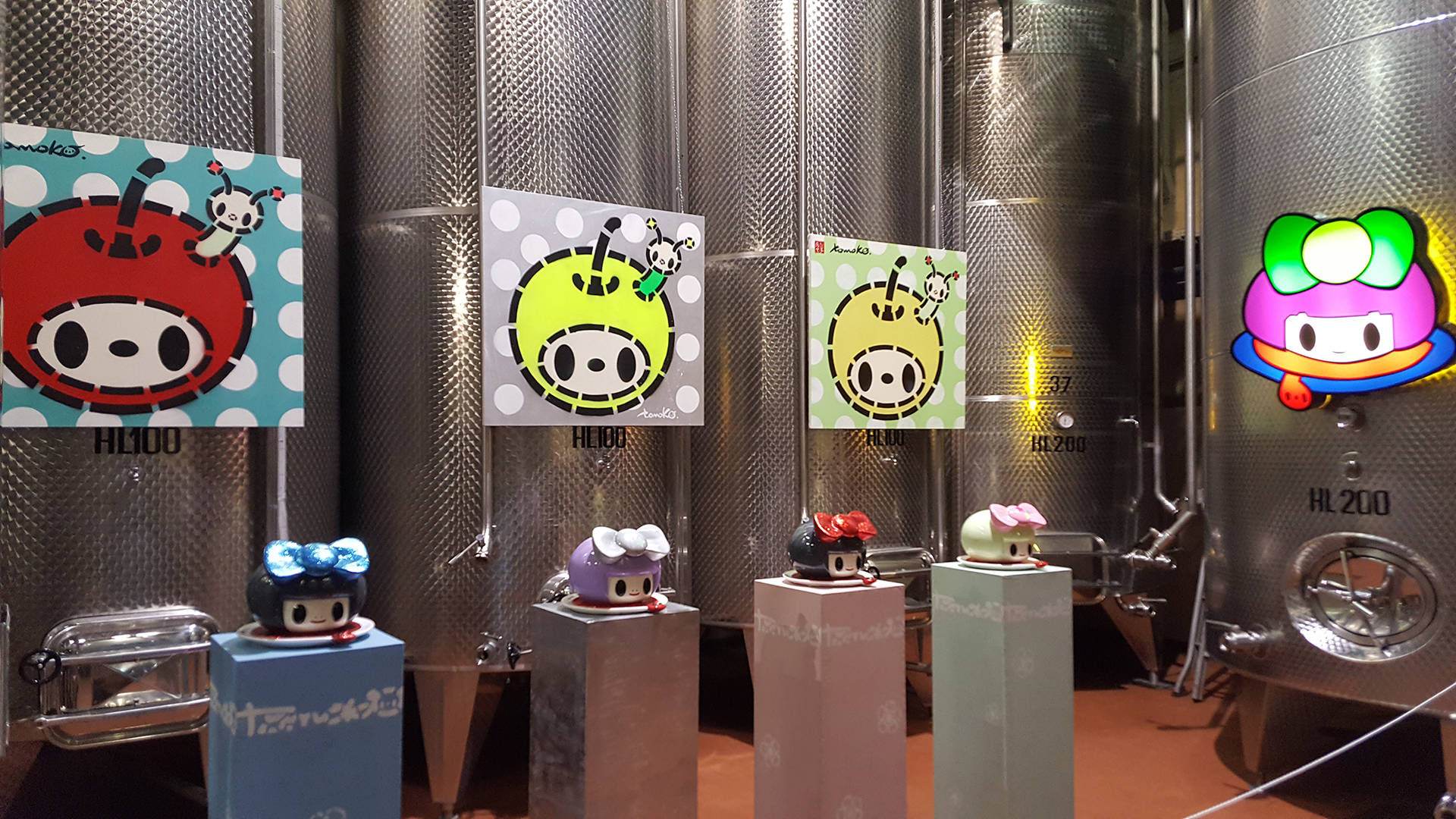
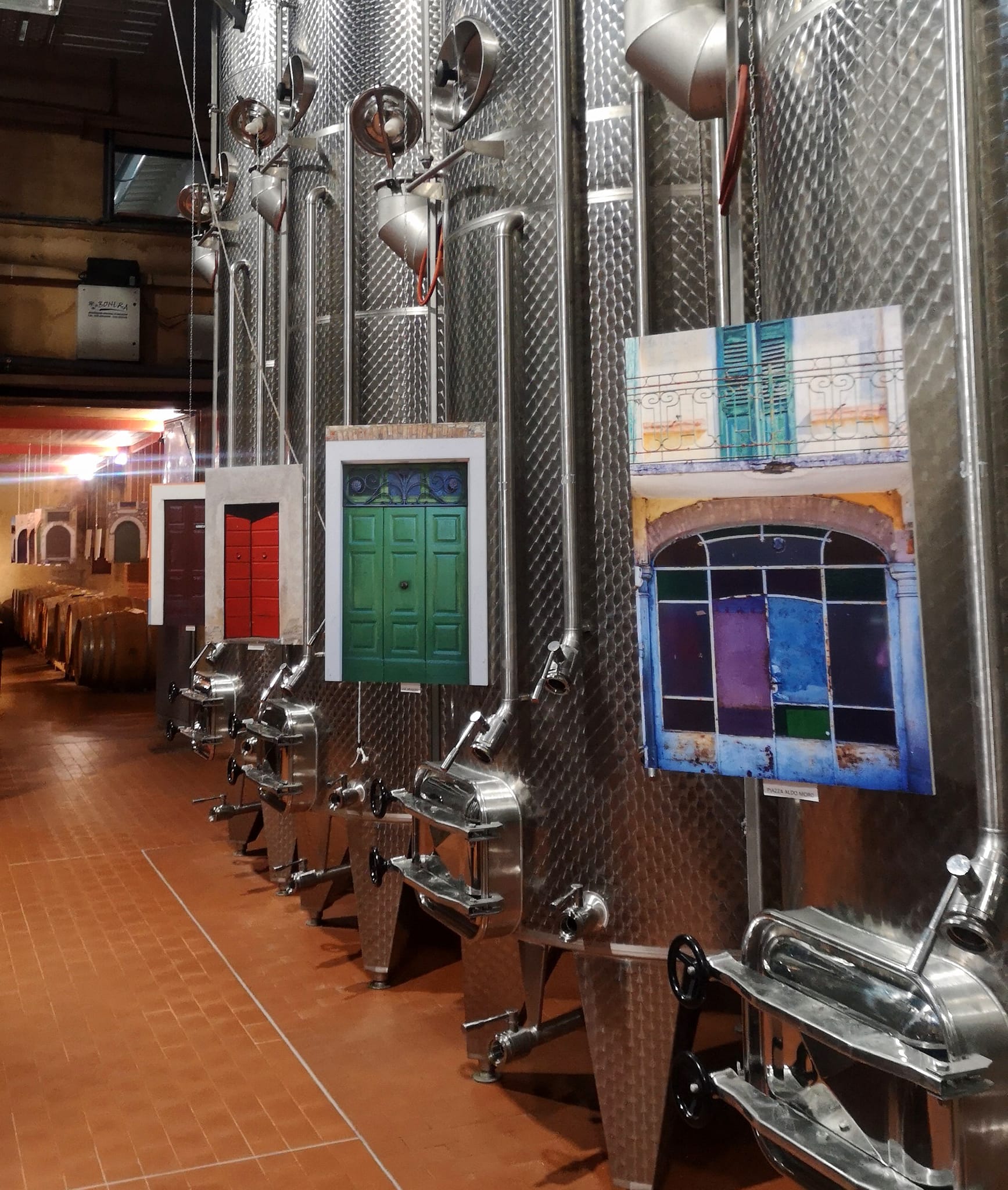
Over time, the winery has opened its spaces to artists who have chosen to exhibit their works here, establishing a temporary but intense dialogue with the place, the architecture, and the wine.
The exhibitions organized by Majolini have not been simple displays, but encounters: between different languages, between artistic sensibilities, and a space that welcomes without imposing.
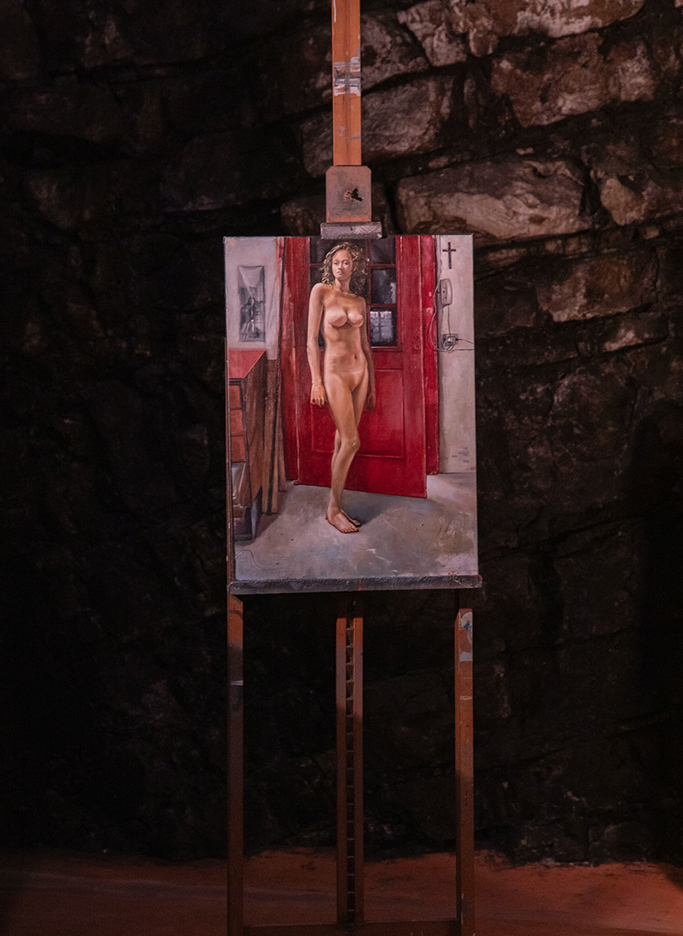
Paolo Petrò
Paolo Petrò's artistic research moves between matter, sign, and stratification. His works explore the relationship between form and surface, constructing images that seem to emerge slowly, as if they were already there and the artist were simply bringing them to light.
In the cellar, his work interacted with the spaces in a silent yet profound way, creating a balance between visual presence and environment.
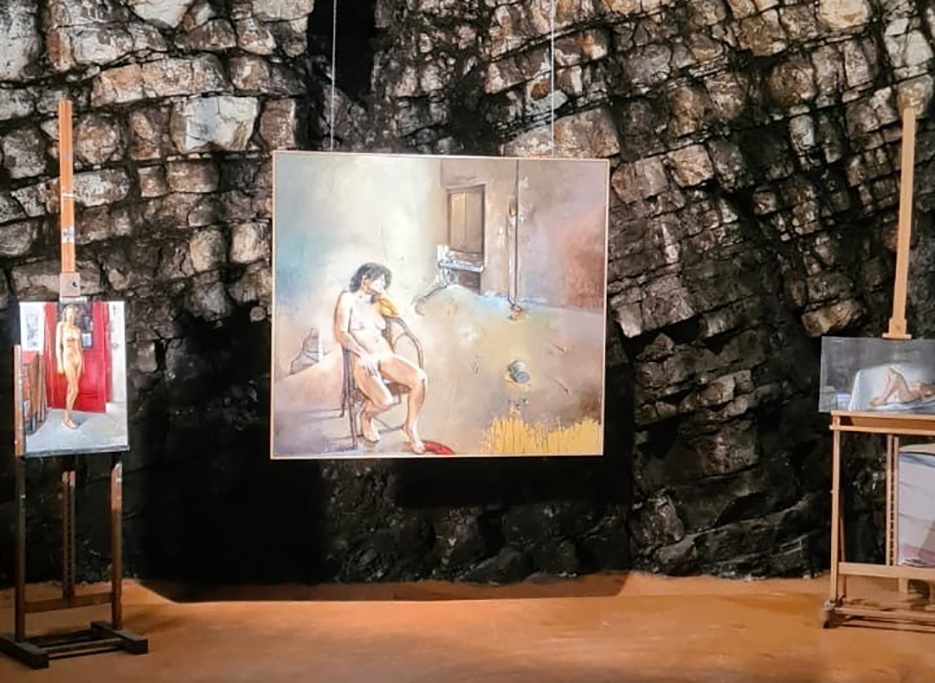
Rubén Sosa
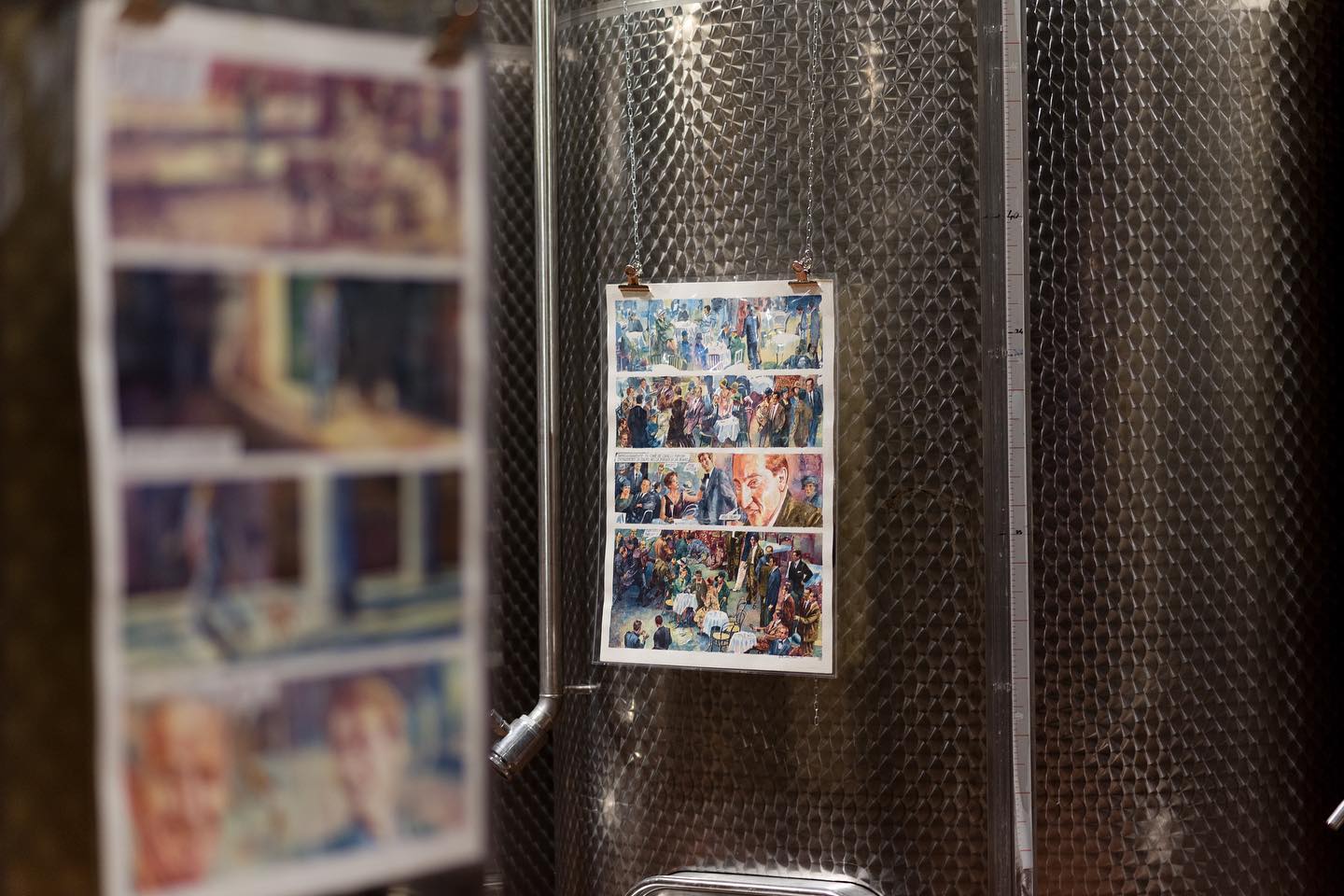
Rubén Sosa's work is characterized by a careful exploration of identity, the human figure, and visual storytelling. His works invite a slow reading, informed by details and references, leaving room for the viewer's personal interpretation.
In the cellar, his works found a context capable of enhancing their narrative depth, without overshadowing their meaning.
Vec Samoano
Vec Samoano uses pictorial language as a tool for emotional and symbolic exploration. His works are dense, instinctive, interwoven with figures and colors that express inner tensions and personal visions.
The exhibition in the cellar created an interesting contrast between the expressive power of the works and the tranquility of the space, generating a direct and unmediated dialogue
Elena Moletta
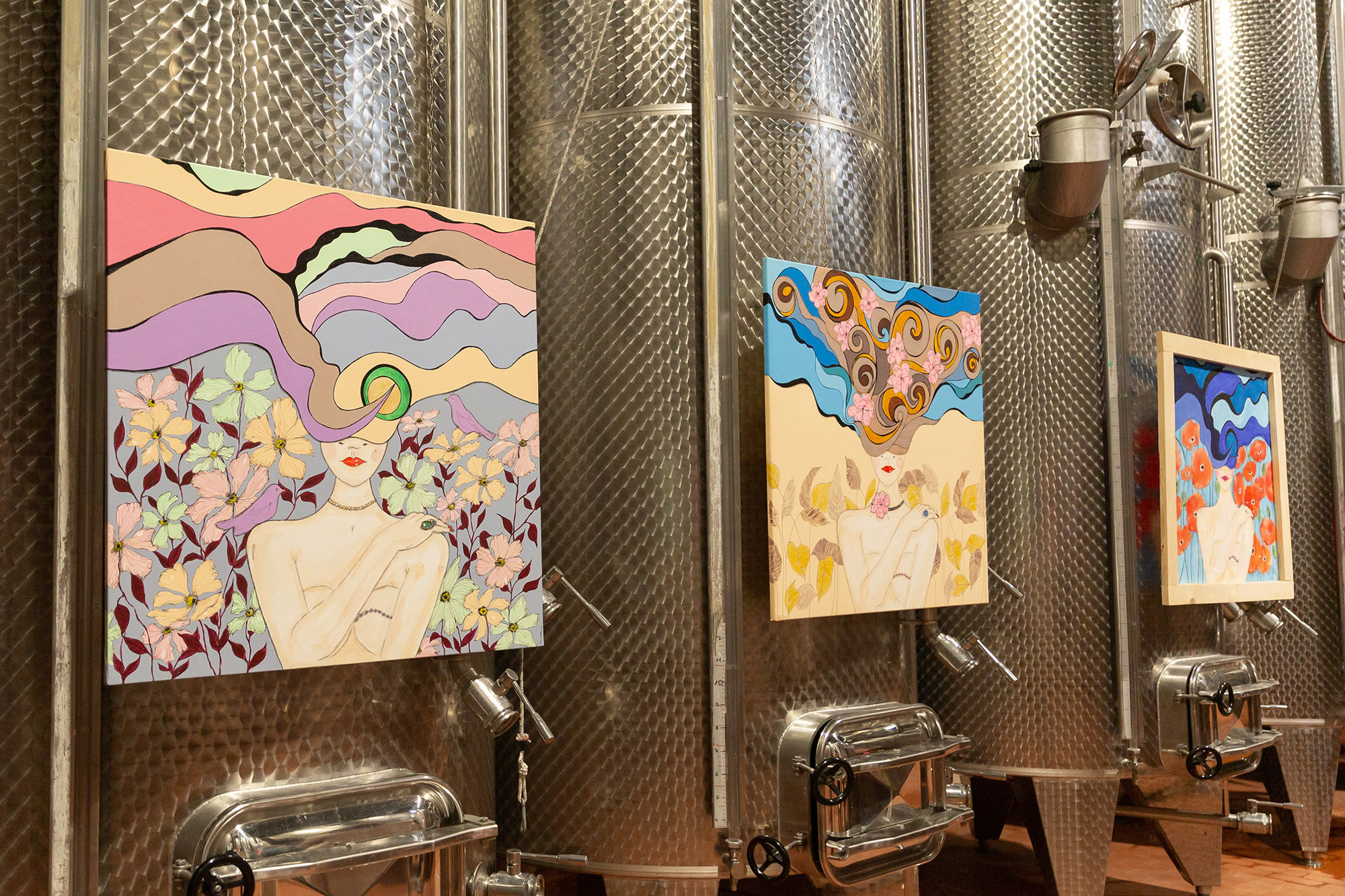
Elena Moletta's work stands out for its sensitivity, delicacy, and attention to detail. Her works convey inner worlds, moods, and intimate visions through a measured and personal visual language.
Exhibiting in the cellar meant placing these works in a context that embraces them without overwhelming them, allowing for a contemplative and intimate experience.
Walter Pescara
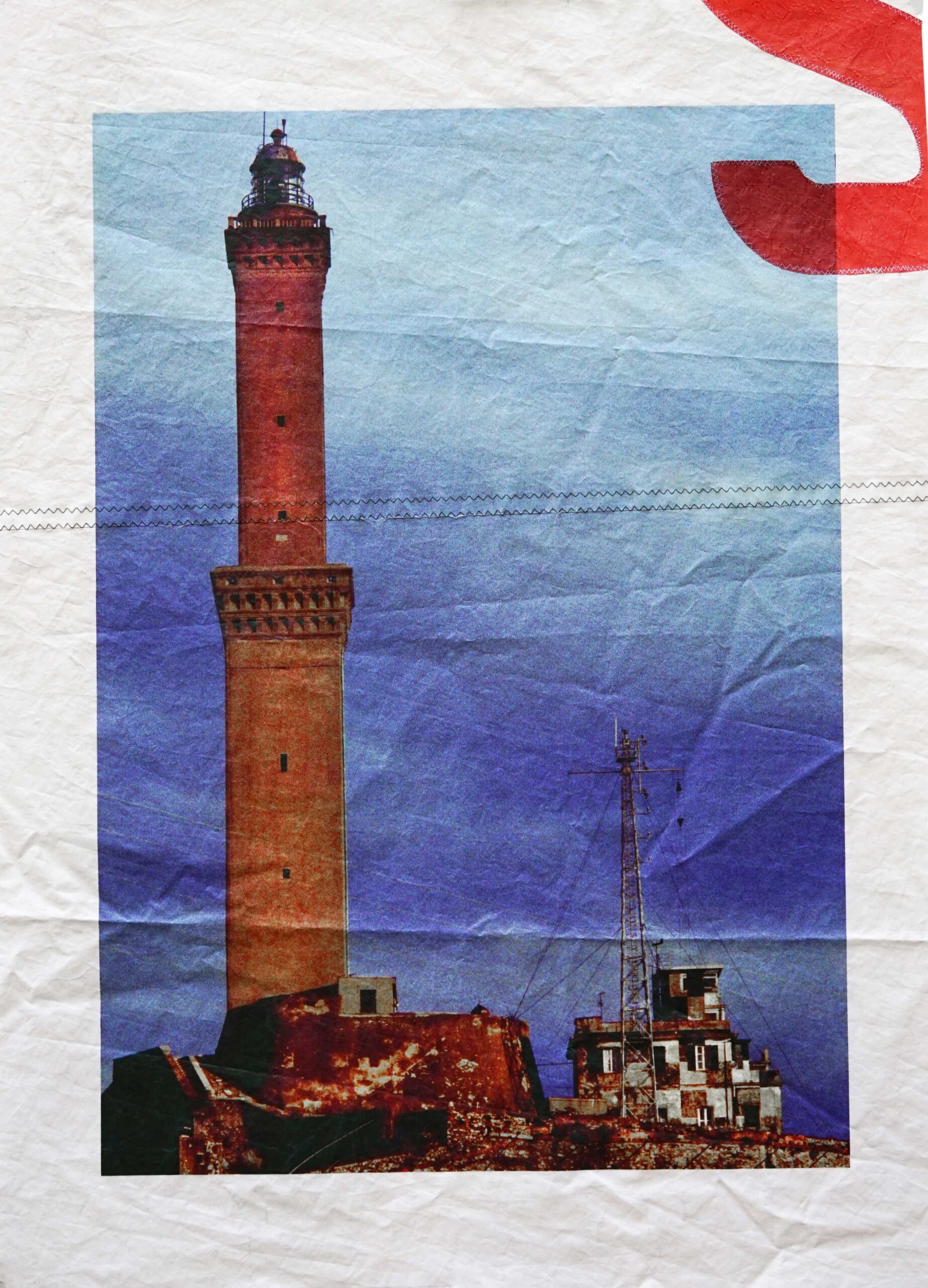
Walter Pescara pursues a research that unites gesture, material, and composition. His works often emerge from a balance between control and spontaneity, resulting in pieces that maintain a strong physical presence.
The exhibition in the cellar highlighted the relationship between the work and its surroundings, allowing the forms and materials to interact with the architecture.
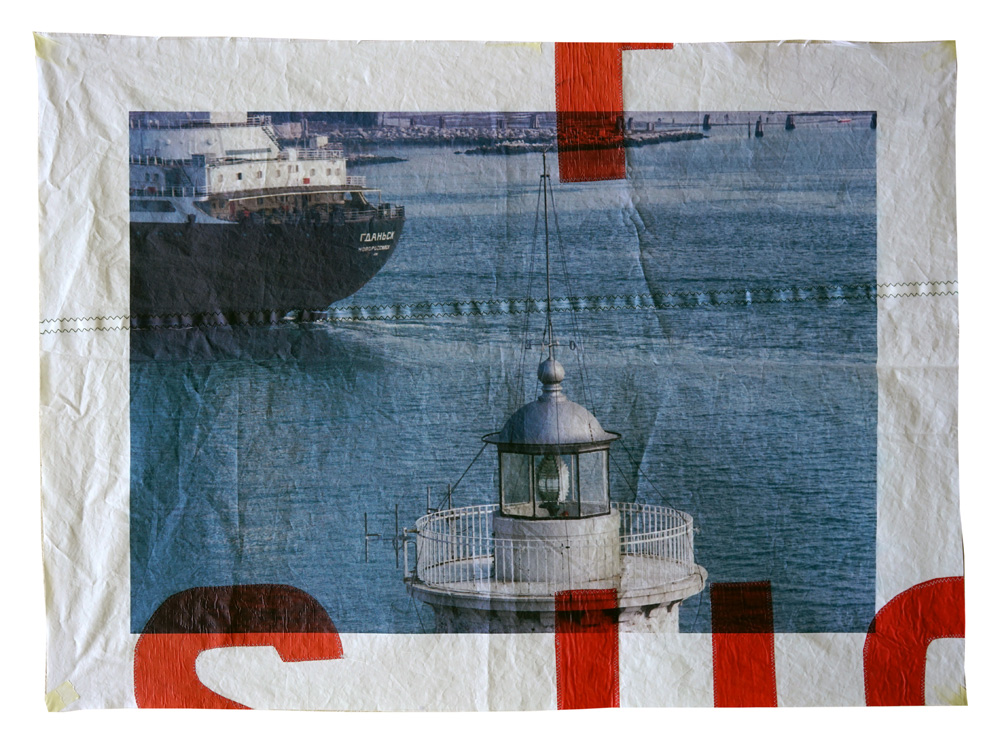
Enrica Senini
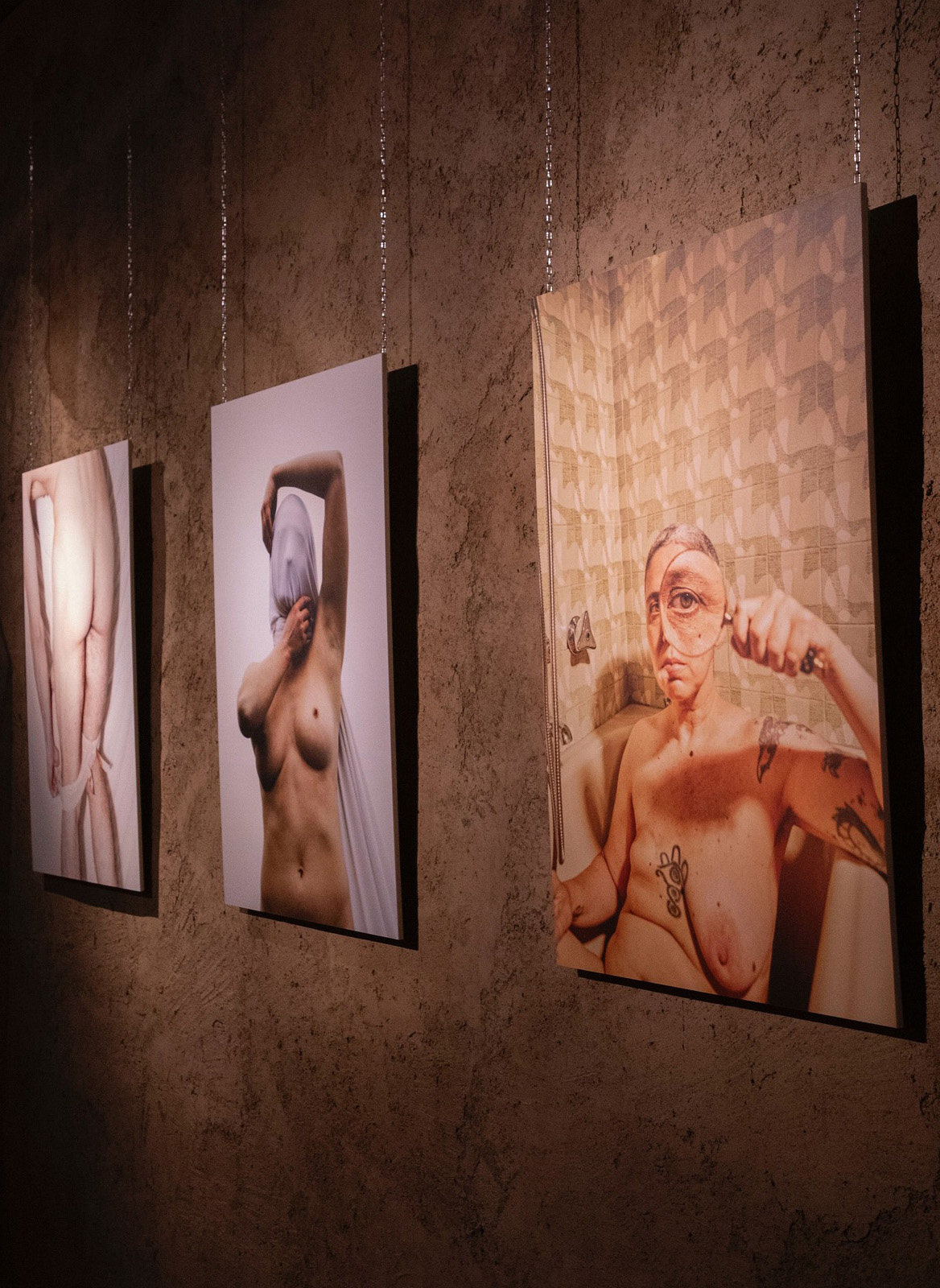
La mostra fotografica di Enrica Senini ospitata nelle sale della Cantina racconta l'Essenza, la Trasformazione ed il Sogno
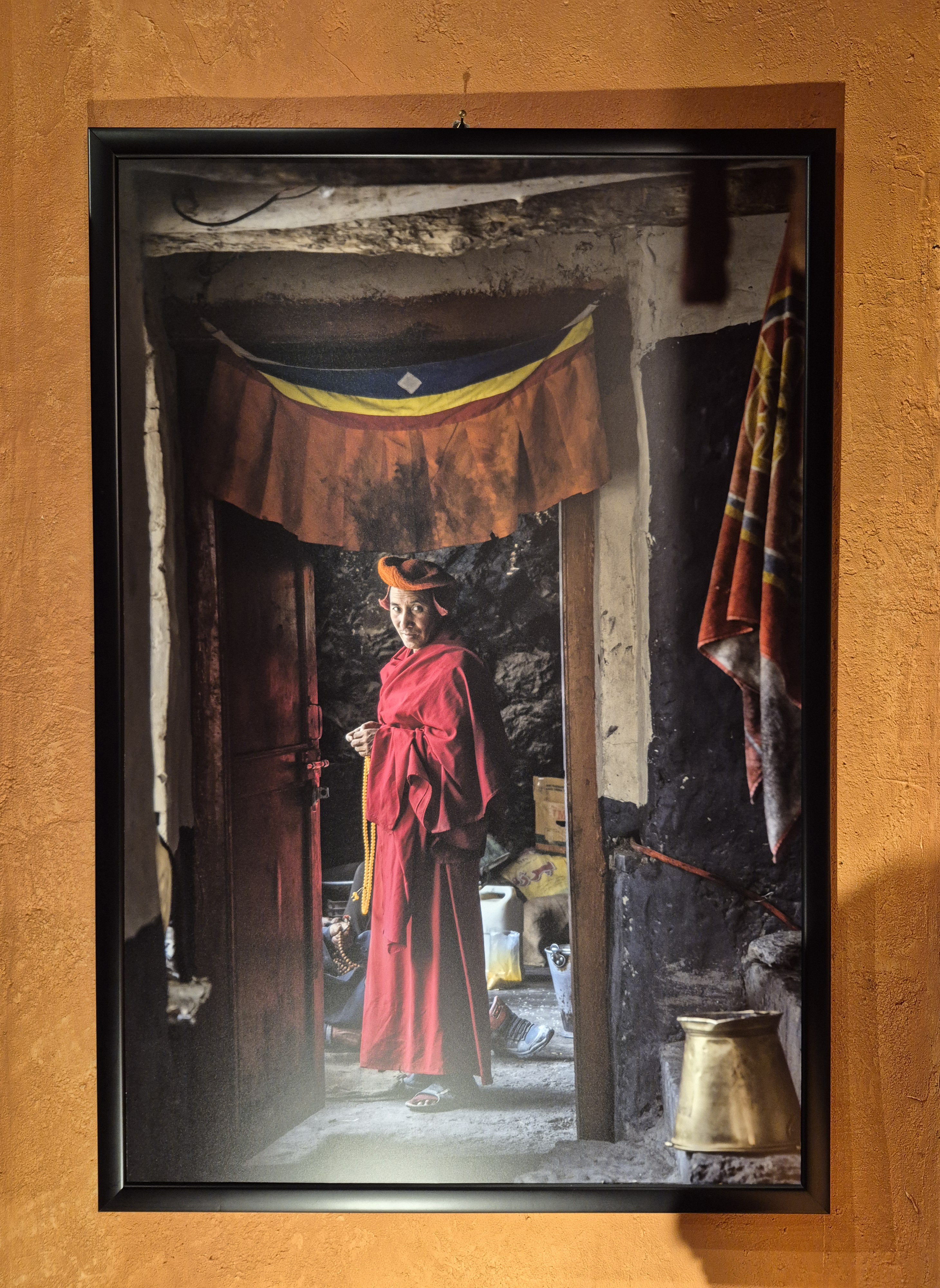
Mattia Trotta
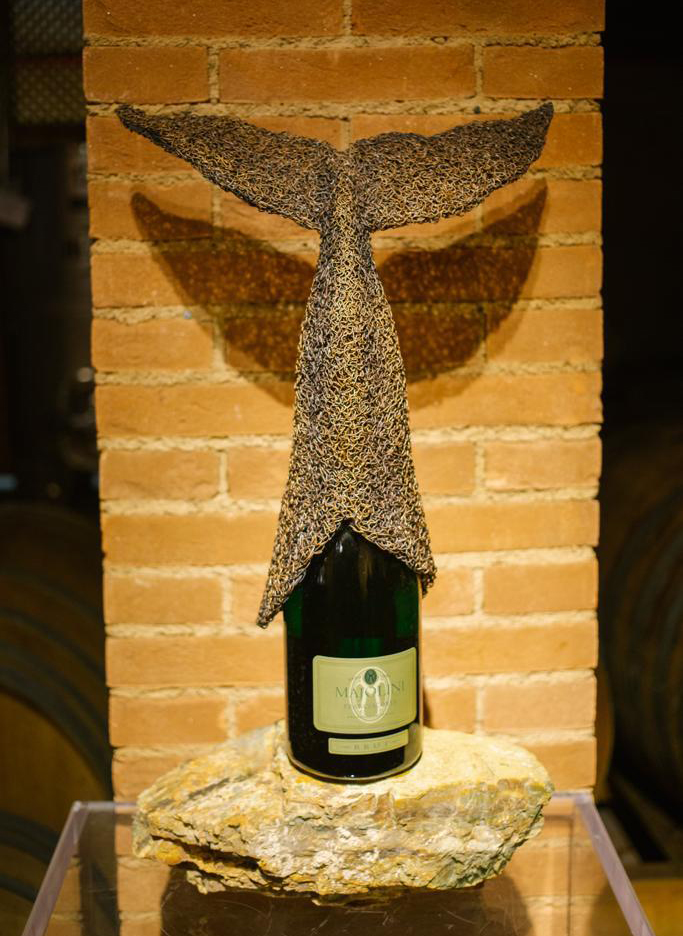
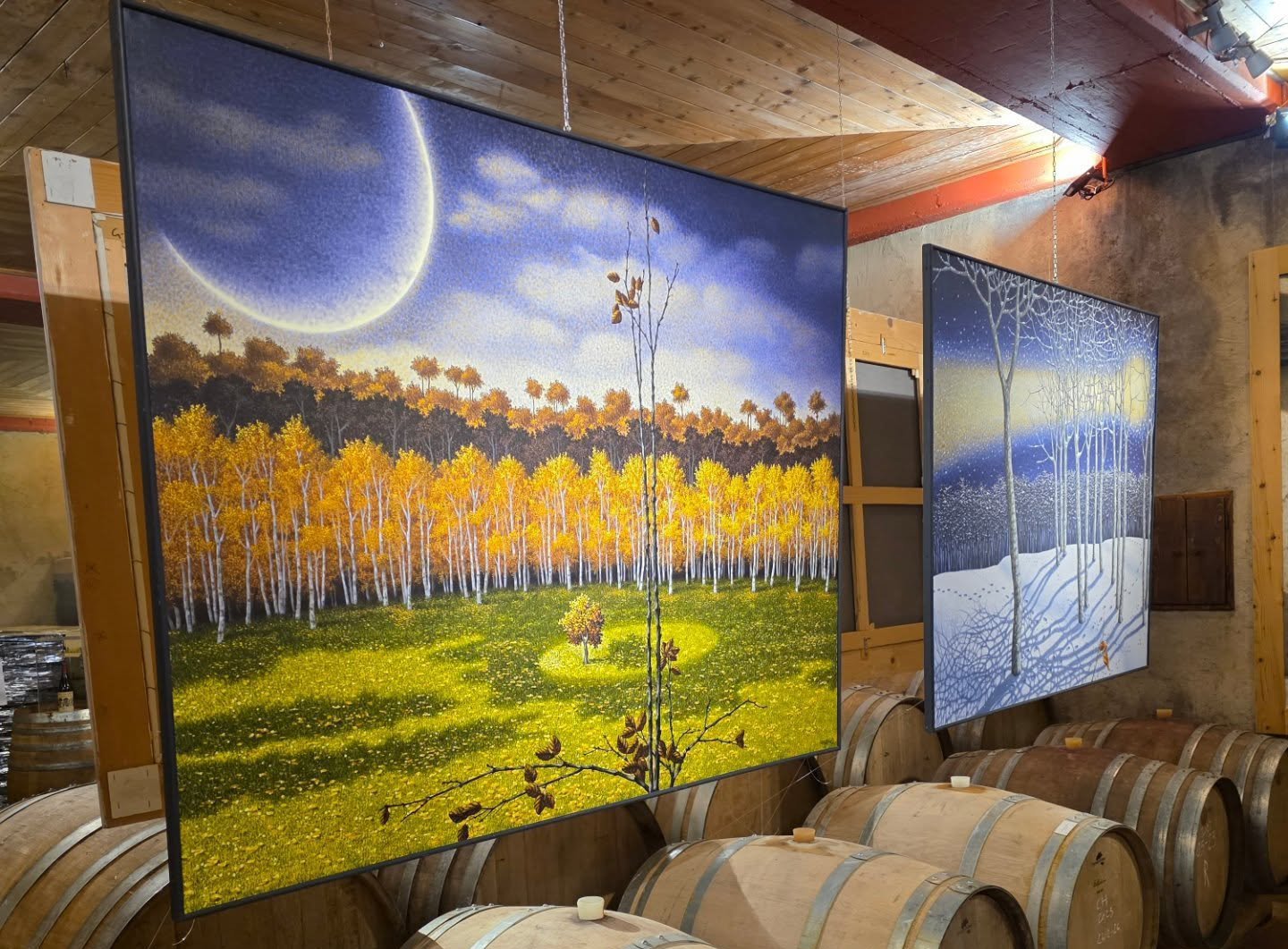
Giulio Mottinelli
Tomoko Nagao
Anna Franchi